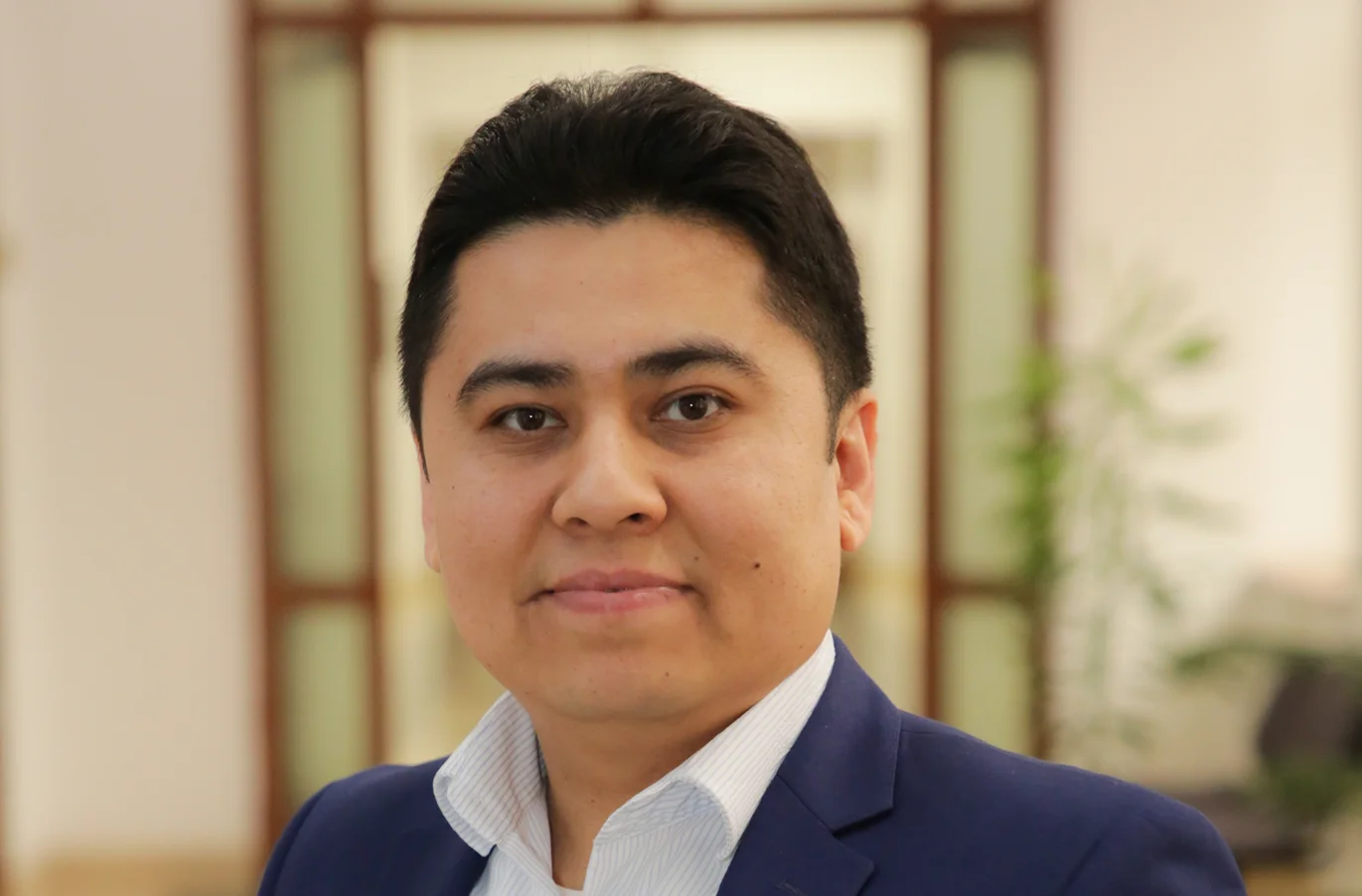
Abdul Aziz Buriev, finance lecturer at Westminster International University in Tashkent (WIUT), shares his story and lessons learned from applying for Advance HE Fellowship.
Achieving Fellow status in the Advance HE Fellowship programme has been one of the most transformative milestones in my academic career. It was not just a professional recognition but an opportunity to deeply reflect on my teaching practices, engage with pedagogical innovations and contribute meaningfully to student learning. The journey has provided me with a structured framework to assess my strengths and areas for improvement, enhancing my ability to create effective and inclusive learning environments.
The beginning: why Fellowship?
From the outset of my teaching journey, I have always believed that education extends beyond simply delivering content. It is about fostering engagement, nurturing curiosity, and creating an inclusive learning environment. When I first heard about the Advance HE Fellowship, I saw it as an opportunity to validate my teaching philosophy against global standards, benchmark my practices, and gain structured professional recognition.
The application process was rigorous and required me to critically examine my pedagogical approaches. It compelled me to articulate how I apply the Professional Standards Framework (PSF) in my teaching, assess my impact on student learning and demonstrate my commitment to continuous development. I found myself deeply engaged in self-reflection, analysing how I engage students, promote interactive learning and implement innovative teaching strategies.
The reflection process: lessons learned
The most rewarding aspect of the Fellowship journey was the process of structured reflection. It encouraged me to evaluate my teaching methods through different lenses and consider how my practices support student success. I revisited my lesson planning strategies, explored student feedback and assessed the effectiveness of my assessments.
A key realisation during this journey was the importance of inclusive teaching. Reflecting on my approach, I recognised the need to further integrate differentiated learning techniques that accommodate students from diverse backgrounds. I began incorporating active learning strategies, such as case-based discussions, problem-solving exercises and flipped classroom models, to foster engagement and deepen understanding.
Another significant takeaway was the power of collaborative learning. Through Fellowship, I connected with other educators, exchanging insights and best practices. This interaction reinforced my belief that teaching excellence is a collective endeavour that thrives on shared knowledge and experiences. Learning from peers helped me incorporate innovative strategies into my own practice, such as integrating digital tools to enhance engagement and student participation.
Additionally, I realised the value of constructive feedback. By systematically reviewing student evaluations and peer observations, I was able to refine my teaching methods. I made efforts to create a more open dialogue with students, encouraging them to share their thoughts on course content, assessments and instructional strategies. This feedback loop has been instrumental in continuously improving my teaching.
Impact on my teaching practice
Since earning Fellowship status, my teaching approach has evolved considerably. I have become more intentional in designing curriculum activities that prioritise student-centred learning. My assessment methods have shifted towards formative approaches, emphasizing feedback and continuous improvement rather than just summative evaluations. I have also explored alternative assessment techniques, such as reflective journals and peer assessments, to help students take ownership of their learning.
Furthermore, I have embraced technology-enhanced learning as a core component of my teaching practice. The use of online discussion forums, simulation tools and virtual collaborative spaces has enabled me to create a more dynamic and interactive learning experience. The Fellowship journey has reinforced my belief that adapting to evolving educational trends is key to enhancing student engagement and learning outcomes.
Additionally, Fellowship has strengthened my professional confidence. Being part of a global network of educators committed to teaching excellence has validated my efforts and inspired me to continue experimenting with innovative teaching methodologies. It has also opened doors for leadership opportunities, allowing me to mentor junior faculty members and contribute to institutional strategies for enhancing teaching quality. Through mentoring and professional development initiatives, I have been able to support colleagues in their own Fellowship applications, fostering a culture of reflective practice within my institution.
Looking ahead: a commitment to lifelong learning
Achieving Fellowship is not the culmination of my professional development journey – it is the beginning of a new chapter. The experience has reinforced my commitment to lifelong learning and professional growth. I now actively engage in educational research, exploring ways to enhance student learning experiences through technology and evidence-based practices.
I have also taken on additional responsibilities in faculty development, designing workshops and training sessions to help colleagues refine their teaching strategies. Fellowship has empowered me to advocate for continuous improvement in teaching and learning at an institutional level. I aim to further integrate principles of active learning, assessment for learning and digital pedagogies into faculty-wide initiatives.
To those considering applying for Advance HE Fellowship, I wholeheartedly encourage you to take this journey. It is a profound opportunity to reflect, grow and align your teaching practices with international standards. More importantly, it is a chance to contribute meaningfully to the academic community and make a lasting impact on student success.
The Fellowship journey has not only recognised my dedication to teaching but has also shaped me into a more reflective, adaptive, and innovative educator. I look forward to continuing this journey, embracing new challenges, and inspiring future generations of learners and educators. Through continued collaboration, engagement, and professional development, I hope to drive meaningful changes in higher education and contribute to the advancement of teaching excellence on a global scale.