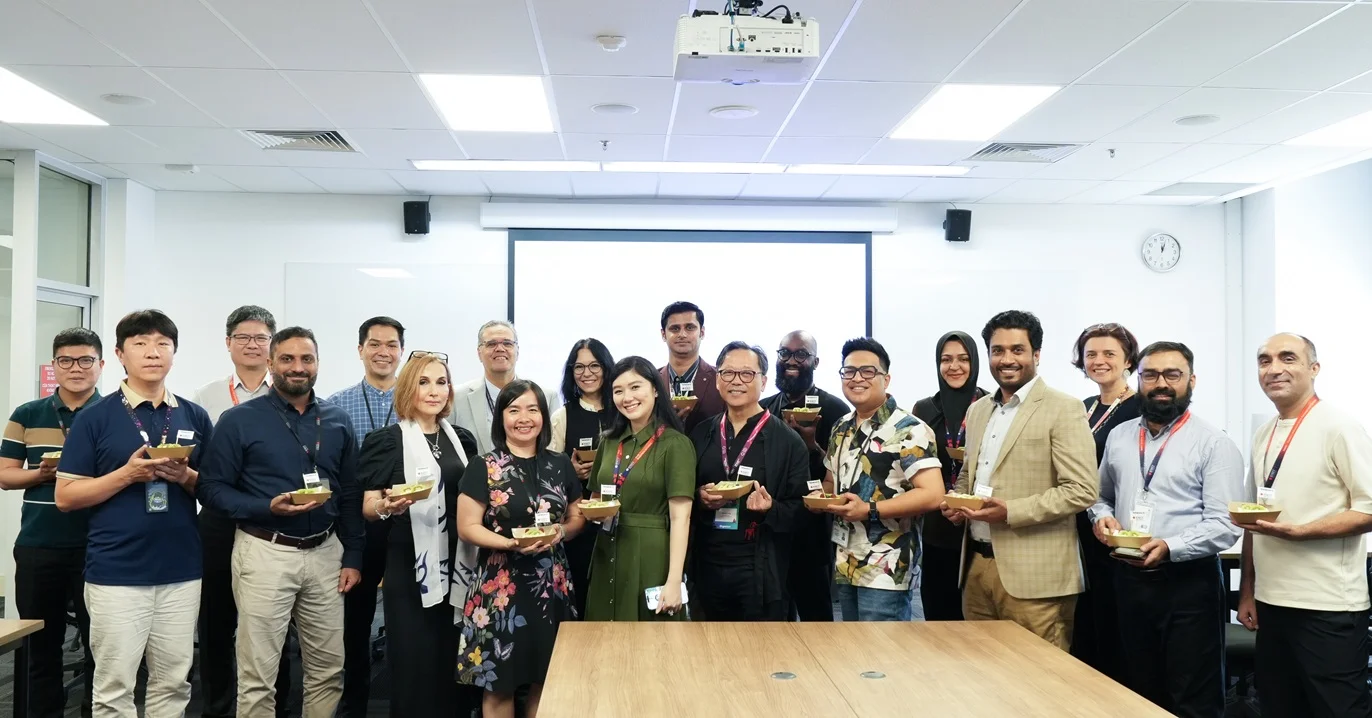
RMIT Vietnam has expanded its Advance HE fellowship community, reflecting growing engagement with teaching and learning excellence in Vietnam.
There are now more than 60 academic and professional staff at RMIT Vietnam with Advance HE fellowships, recognising their commitment to teaching and learning excellence in higher education.
Recognising professional practice in teaching and learning
Four fellowship categories recognise the diverse ways educators contribute to student learning, from those supporting teaching and learning in specific areas, to senior leaders who influence educational practice across institutions and the higher education sector.
Fellowship is awarded through a rigorous peer-reviewed process aligned with the Professional Standards Framework (PSF). The framework recognises the knowledge, skills and professional practices of those who teach and support learning in universities around the world. There are almost 230,000 Advance HE fellows globally.
Building a culture of reflective teaching
Mr Glen O’Grady, Director of Academic Experience and Success at RMIT Vietnam, said the growing fellowship community demonstrates a collective commitment to high-quality learning and teaching.
“There is a common thread running through Advance HE fellowship applications, which is a deep and abiding concern for student learning. It is a commitment to taking teaching seriously and to being professional and reflective in our approach to education,” he said.
“Fellowship is something we participate in, rather than simply something we receive. We move from demonstrating our own commitment to teaching and learning to helping others develop theirs. We become part of a community that recognises good teaching, supports professional growth, and shares a collective responsibility for improving the experience and learning of our students.”
Senior Fellows reflect on their professional journeys
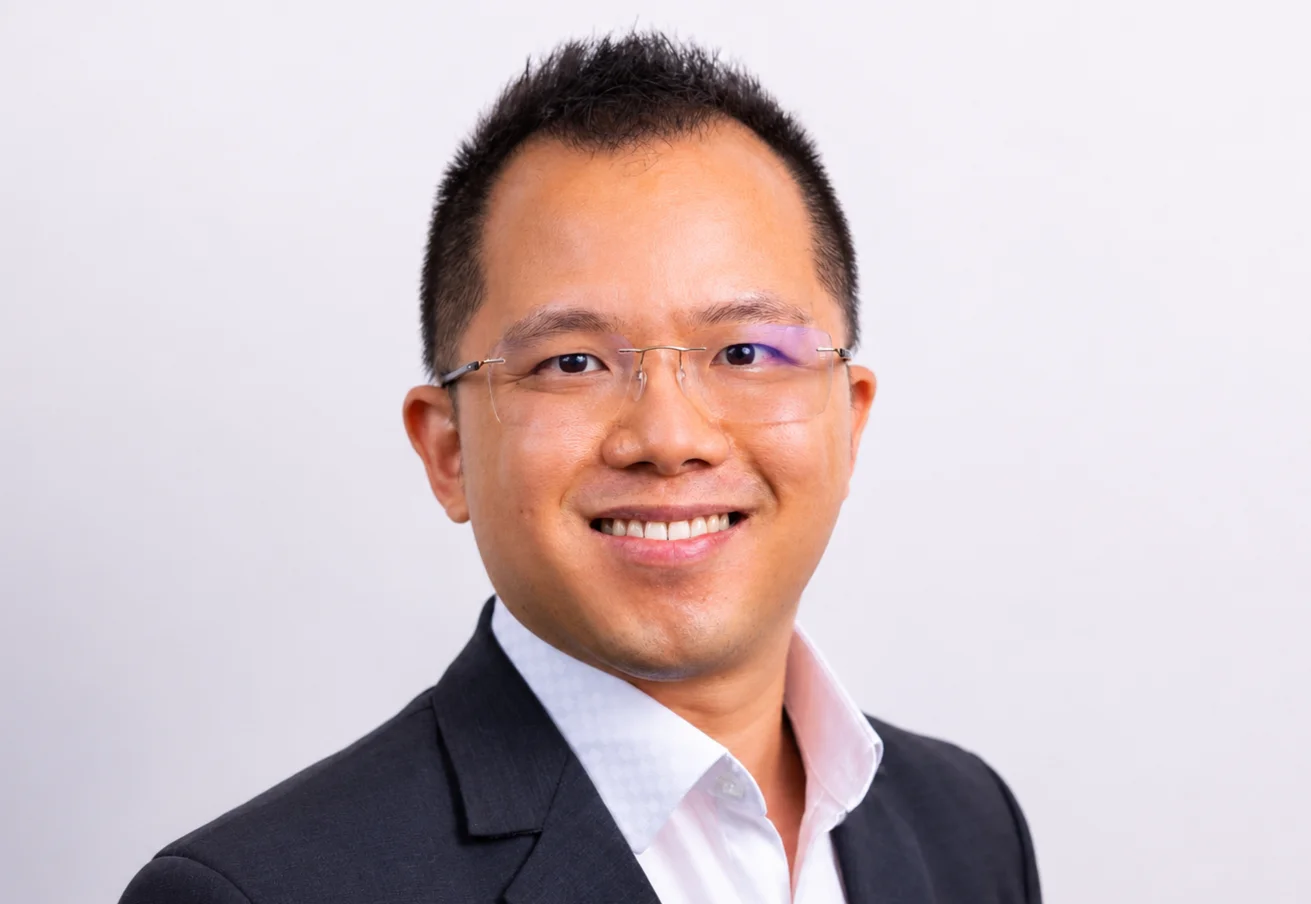
Dr Pham Huong Trang, Interim Associate Program Manager, Tourism and Hospitality Management, at The Business School, achieved Senior Fellowship after more than 16 years working in higher education.
“Senior Fellowship is certainly a recognition, but I see it more as an invitation to keep growing,” she said. “It reminds me that no matter how long we have been teaching, we remain learners ourselves. The recognition has given me greater confidence to support colleagues, explore new approaches and contribute to a culture at RMIT where good practice is shared rather than being owned by any one person.”
The fellowship application process also gave her an opportunity to pause and reflect on how she had changed throughout her career.
Creating confidence for others to lead
Reflecting on her journey, Dr Trang said: “I realised that my own definition of success had gradually changed. It is no longer just about what happens in my classroom, but about what I can help others achieve and how the work we create together can become something others carry forward.
“Senior Fellowship helped me see that our most meaningful impact as educators is not always the most visible. Looking back on years of teaching, course design, mentoring and collaboration with different teaching teams, I could see how much I had grown. Perhaps the simplest way to describe it is this: I ask more questions now and give fewer instructions. I also realised something I had never really put into words before: good leadership isn’t about being indispensable. It is about creating the trust and confidence for others to experiment, make mistakes and eventually say, ‘let me try.’ Some of the achievements I am most proud of are the practices and ideas that colleagues have taken forward and made their own.
“I am still becoming the educator I want to be. Senior Fellowship recognises a journey, but it is certainly not the end of it.”
Empowering others to thrive
Ms Corinna Joyce, Deputy Dean and Program Manager, Bachelor of Fashion (Enterprise), School of Communication & Design, said the application process highlighted the importance of empowering others to thrive.
“Writing the application gave me space to join the dots between things I had probably been doing quite instinctively, such as mentoring colleagues through change, building trust within teams and embedding local context and sustainability into how we teach,” she said.
“Seeing it all together, I realised how much of my practice is really about distributed leadership and creating the conditions for colleagues to take ownership and thrive. It also made me reflect on how much I have learned from working in the Vietnamese context and from our students. Their perspectives have shaped my thinking as much as I hope I’ve shaped theirs. It was a genuinely humbling process.
“Achieving Senior Fellowship validates an approach to leadership that is collaborative, inclusive and focused on developing others. It has given me added confidence to deepen my contribution at a broader school and university level while continuing to shape learning experiences that prepare our students to become confident, capable changemakers.”